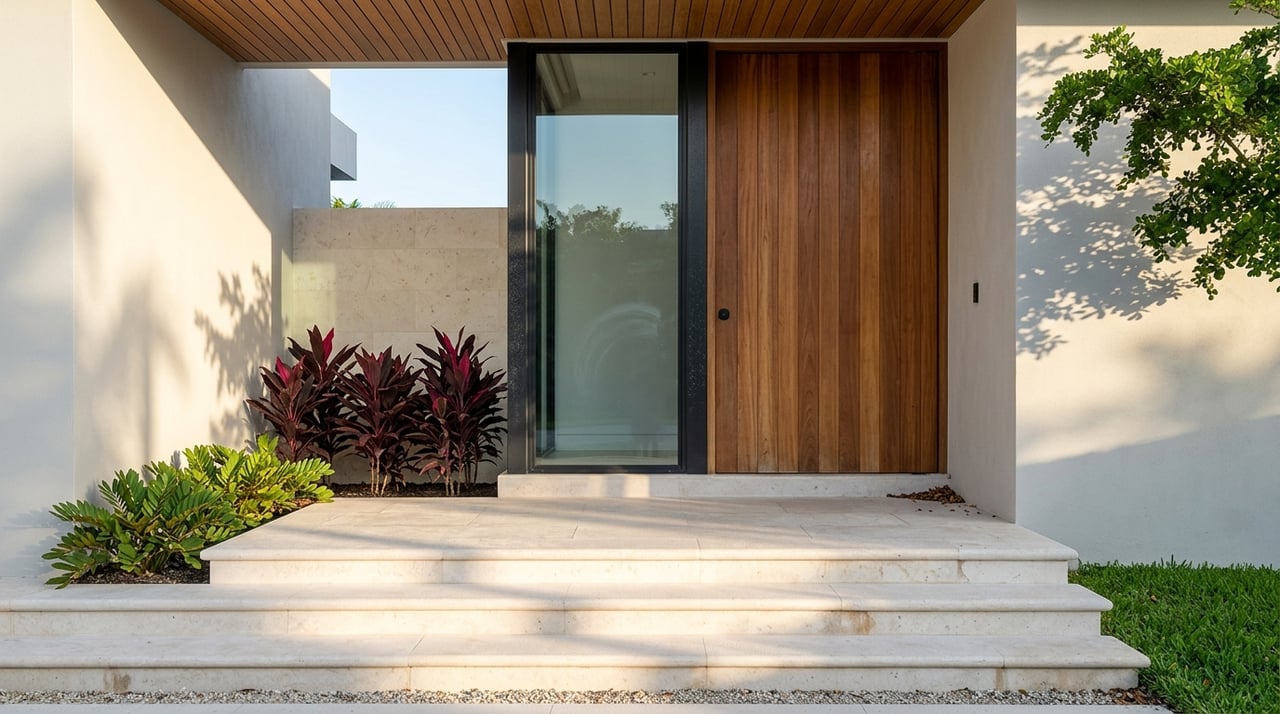
Selling a home in Dorado can feel simple from the outside, but the real process is often more layered than many sellers expect. You are balancing timing, pricing, paperwork, showings, and closing details in a market where buyers have options and presentation matters. The good news is that with the right plan, you can move through each stage with more clarity and less stress. Let’s walk through it step by step.
Understand the Dorado market first
Before you choose a price or start preparing your home, it helps to understand the market you are entering. As of April 2026, Dorado had 169 homes for sale, a median listing price of $1.39 million, and a median 56 days on market. Realtor.com also describes Dorado as a buyer’s market.
That matters because buyers in Dorado may have more choices and more time to compare options. In this kind of market, a strong launch and a well-supported price can make a meaningful difference. You want your home to feel credible and well-positioned from day one.
Start with strategic pricing
One of the most important steps in selling your Dorado home is setting the right list price. Your price should reflect current competition and buyer behavior, not just what you paid for the home or what you hope to net.
In a price-sensitive market, an overly aggressive price can slow momentum early. When a home sits, buyers may begin to question the value, even if the property itself is strong. A thoughtful pricing strategy helps you attract serious attention sooner and create better conditions for negotiation.
What pricing should consider
Your pricing discussion should look at several factors, including:
- Current active competition in Dorado
- Recent market conditions
- Your home’s condition and presentation
- Lot, layout, views, and features
- How your property compares within today’s inventory
This is where a boutique, hands-on approach can help. Instead of taking a one-size-fits-all path, you want careful positioning that fits your specific property and selling goals.
Prepare your home before listing
Once pricing is taking shape, the next step is preparation. In Dorado’s premium market, launch quality matters. Buyers often form quick impressions, so the goal is to present your home in a way that feels clean, polished, and move-in ready where possible.
Preparation can also help reduce avoidable issues later. If you can identify small repairs, maintenance items, or paperwork gaps early, you may save time once buyers begin their due diligence.
Pre-listing checklist for Dorado sellers
Before your home goes live, focus on these core items:
- Declutter and simplify key rooms
- Address visible maintenance issues
- Gather ownership and property documents
- Confirm basic property details are accurate
- Review title and registry status early
Verifying title and registry status at the start is especially important in Puerto Rico. Buyers and lenders will review ownership, liens, and encumbrances through the Property Registry during due diligence.
Confirm title, registry, and parcel records
A Dorado sale involves more documentation coordination than many mainland sellers expect. Early record review can help you avoid delays later in the transaction.
Dorado falls under Bayamón Registry Section II, according to the Puerto Rico Department of Justice. That local routing detail can matter when recording work is being handled.
Why record checks matter
The Property Registry is the government entity that records ownership, transactions, and liens or encumbrances. If there is an issue in the chain of title or a mismatch in records, it is better to catch it before your home is under contract.
CRIM’s parcel and catastro tools can help confirm parcel number, owner, address, and valuation fields. However, CRIM states that these tools are for tax purposes and are not precise enough to use as a transfer or engineering map. In practical terms, you should cross-check deed and registry records rather than rely on a parcel screenshot alone.
Language and document details
If a document is not in Spanish or English, Puerto Rico registry rules require a translation before recording. If a document is bilingual, the Spanish text controls for registry purposes unless the parties specify otherwise.
That is one reason sellers benefit from organized document review early in the process. Small details can become important once the closing file is being prepared.
Build a strong listing launch
When your pricing and documents are in order, it is time to launch. In Dorado, listing your home is not just about putting it online. It is about presenting it clearly, managing the first wave of interest, and making it easy for qualified buyers to understand the opportunity.
A strong launch usually includes polished presentation, thoughtful timing, and responsive communication. In a buyer-leaning market, that structure can help your listing stand out against competing homes.
Why bilingual communication matters
Census QuickFacts reports that 93.1% of Dorado residents age 5 and older speak a language other than English at home. That makes bilingual communication a practical advantage during the selling process.
Clear communication can support showings, follow-up, buyer questions, and negotiations. It also helps create a smoother experience when different parties in the transaction are working across Spanish and English.
Manage showings and buyer feedback
Once your home is live, the showing phase begins. This is where momentum is built, tested, or lost. The goal is not simply to schedule as many visits as possible, but to manage access, buyer expectations, and feedback carefully.
In a premium market, selective and organized showings often support a better experience. Serious buyers tend to respond well to homes that feel well-prepared and professionally managed.
What to watch during the showing phase
As showings begin, pay attention to:
- The pace of inquiries
- Common buyer questions
- Feedback on price and condition
- Patterns in what buyers compare your home against
- Whether updates are needed in presentation or positioning
Feedback is useful because it can reveal whether the market understands your price and value. If the same concern comes up repeatedly, it may be worth adjusting strategy rather than waiting too long.
Review offers with care
Receiving an offer is exciting, but the highest number is not always the strongest offer. Terms, timing, contingencies, and the buyer’s ability to close all matter.
In Dorado’s current market, negotiation often includes more than price alone. Repairs, credits, timelines, and proof of buyer readiness can all shape the final outcome.
Look beyond the headline price
When reviewing an offer, consider:
- Offered purchase price
- Financing strength or proof of funds
- Proposed closing timeline
- Inspection or due diligence terms
- Requests for repairs or credits
This is where disciplined negotiation can protect both your time and your bottom line. A calm, organized review helps you avoid decisions based only on emotion or urgency.
Move from contract to closing
Once you accept an offer, the transaction enters a more documentation-heavy phase. In Puerto Rico, closing differs from a typical mainland sale.
The transfer must be executed in a public deed before a notary and then recorded in the Property Registry. The law also states that a person with an interest in the title, including the notary or a representative, may request registration, and recorded titles take effect against third parties from the date of inscription.
Closing steps to expect
After contract, the process generally moves through:
- Buyer due diligence and document review
- Title and registry confirmation
- Preparation for closing before a notary
- Execution of the public deed
- Filing and registration in the Property Registry
This stage rewards careful coordination. When the process is managed well, you can move from accepted offer to closing with fewer surprises.
Understand tax and filing responsibilities
Sellers should also be aware of closing-related tax and filing items. Hacienda says the transmitente must complete and deliver the transfer informativa to the notary office. Hacienda also says the notary must register deeds executed before them during the prior month.
If you are a nonresident individual or a foreign entity selling Puerto Rico real estate, Hacienda’s 2022 bulletin says the buyer has a withholding obligation. That does not apply to every seller, but it is an important issue to identify early if it may affect your transaction.
When professional tax guidance matters
CRIM administers property-tax records through its tax system, and its parcel tools are intended for tax administration. For gain exclusion questions, some U.S. taxpayers may qualify for a federal exclusion on the sale of a main home if IRS ownership and use tests are met, but Puerto Rico residency and sourcing issues can be more nuanced.
Because of that, tax planning is best addressed with a qualified CPA based on your specific situation. Early guidance can help you avoid last-minute surprises at closing.
Why process matters in Dorado
Selling in Dorado is about more than putting a sign in the yard. You are selling in a premium, buyer-leaning market where price discipline, presentation, bilingual communication, and document readiness all matter.
You also need to navigate Puerto Rico’s closing structure, including the public deed, notary process, registry filing, and possible tax-related steps. When each stage is handled intentionally, the experience tends to feel more controlled and far less overwhelming.
If you are preparing to sell your Dorado home and want a more tailored, hands-on experience, Ashley Arce offers the kind of strategic guidance, communication, and end-to-end support that can help you move forward with confidence.
FAQs
How long does it take to sell a home in Dorado?
- As of April 2026, Realtor.com reports a median 56 days on market in Dorado, though your timeline can vary based on pricing, condition, presentation, and buyer demand.
Why is pricing so important when selling a Dorado home?
- Dorado is currently described as a buyer’s market, so buyers may compare multiple options closely. A well-supported price can help your home gain stronger early interest.
What records should I check before listing a home in Dorado?
- You should review deed, title, and Property Registry information early, and you can use CRIM parcel tools to help confirm basic fields like parcel number, owner, and address.
What is different about closing on a home sale in Puerto Rico?
- In Puerto Rico, the transfer must be executed in a public deed before a notary and then recorded in the Property Registry.
What if my property documents are not in Spanish?
- Puerto Rico registry rules require a translation before recording if a document is not in Spanish or English, and for bilingual documents, the Spanish text controls unless the parties specify otherwise.
Does bilingual communication help when selling a home in Dorado?
- Yes. Census QuickFacts reports that 93.1% of Dorado residents age 5 and older speak a language other than English at home, so bilingual communication can support a smoother process.