Wondering what Dorado homes actually look like once you move past the postcard version of the town? If you are buying, selling, or simply exploring the market, it helps to know that Dorado is not defined by one single architectural style. From historic Spanish-influenced buildings near the pueblo core to contemporary tropical villas and low-rise resort residences, Dorado offers a layered housing landscape. Let’s dive in.
Dorado Has More Than One Look
Dorado is best understood as a market with distinct subareas, not one uniform housing stock. Municipality-wide, Dorado has 16,454 housing units, an owner-occupied housing rate of 78.8 percent, and a median owner-occupied home value of $169,900. In Dorado zona urbana, that median rises to $265,300, which points to meaningful variation within the market.
That variety shows up clearly in the built environment. Dorado includes a historic pueblo with traditional town-center form, along with newer resort-oriented communities that follow a very different design language. If you are shopping here, the style of home you prefer may also shape which part of Dorado feels like the right fit.
Historic Pueblo Character
One of Dorado’s defining visual anchors is its traditional plaza setting. Discover Puerto Rico describes Dorado as one of the few towns on the island that still has a traditional Catholic church in the main square and references the town’s traditional Spanish layout. That gives the older core a very different feel from the newer coastal enclaves many buyers first picture.
In the pueblo, the architectural story starts with civic and historic structures rather than resort villas. The municipality also highlights Casa del Rey as a historic place in Dorado, reinforcing the importance of the town center in understanding the area’s design roots. If you are drawn to older neighborhoods and established streetscapes, this part of Dorado offers important context.
Casa del Rey as a Style Reference
Casa del Rey is Dorado’s oldest documented building and a strong reference point for the municipality’s historic architecture. According to PRAHA and the municipal government, it was built in 1823 under Spanish rule and later served as a prison, military barracks, and museum. Its features include one-story brick-and-wood construction, a U-shaped interior patio, ornamental ironwork, balconies, and exposed wood details.
Those elements help explain why many people associate parts of Dorado with Spanish-influenced design. Even if most buyers are not purchasing a historic civic structure, these details create a useful visual framework for understanding the older architectural language found in and around the pueblo core.
Spanish-Influenced and Eclectic Historic Styles
Dorado’s older architecture is not limited to one neat category. Based on documented historic resources, the municipio shows a broader and more eclectic mix of styles than a simple “colonial” label would suggest. That is helpful to know if you are looking at older homes and trying to understand what makes them distinct.
PRAHA documents Escuela Jacinto López Martínez, built between 1923 and 1925 and designed by Pedro Adolfo de Castro, as a blend of Art Deco and Spanish Revival forms. The municipal planning document also identifies Residencia Doña Antonia Ramírez in Maguayo as an Italian-style residence. In addition, PRAHA describes Residencia Don Andrés Hernández as a one-story wooden house with a zinc gable roof and notes that it is among Dorado’s oldest residences.
What This Means for Buyers
If you are drawn to historic or character-rich homes, Dorado may offer more stylistic range than you expect. In practical terms, older homes here may reflect a mix of Spanish-influenced details, revival-era design, Italianate elements, and vernacular wood construction. That variety can be appealing if you value originality and architectural personality.
It also means you may want to look closely at materials and upkeep. Based on the documented mix of wood and masonry construction, older homes can imply a greater level of preservation stewardship than newer builds. For some buyers, that is part of the appeal. For others, a more modern property may be a better match.
Modern Coastal Villas in Dorado
On the newer side of the market, Dorado is widely associated with contemporary coastal and resort-style homes. Dorado Beach Resort sets the tone with a landscape-first philosophy, low-rise development, and a design approach that keeps buildings visually secondary to the tropical setting. In simple terms, the architecture is meant to work with the environment rather than dominate it.
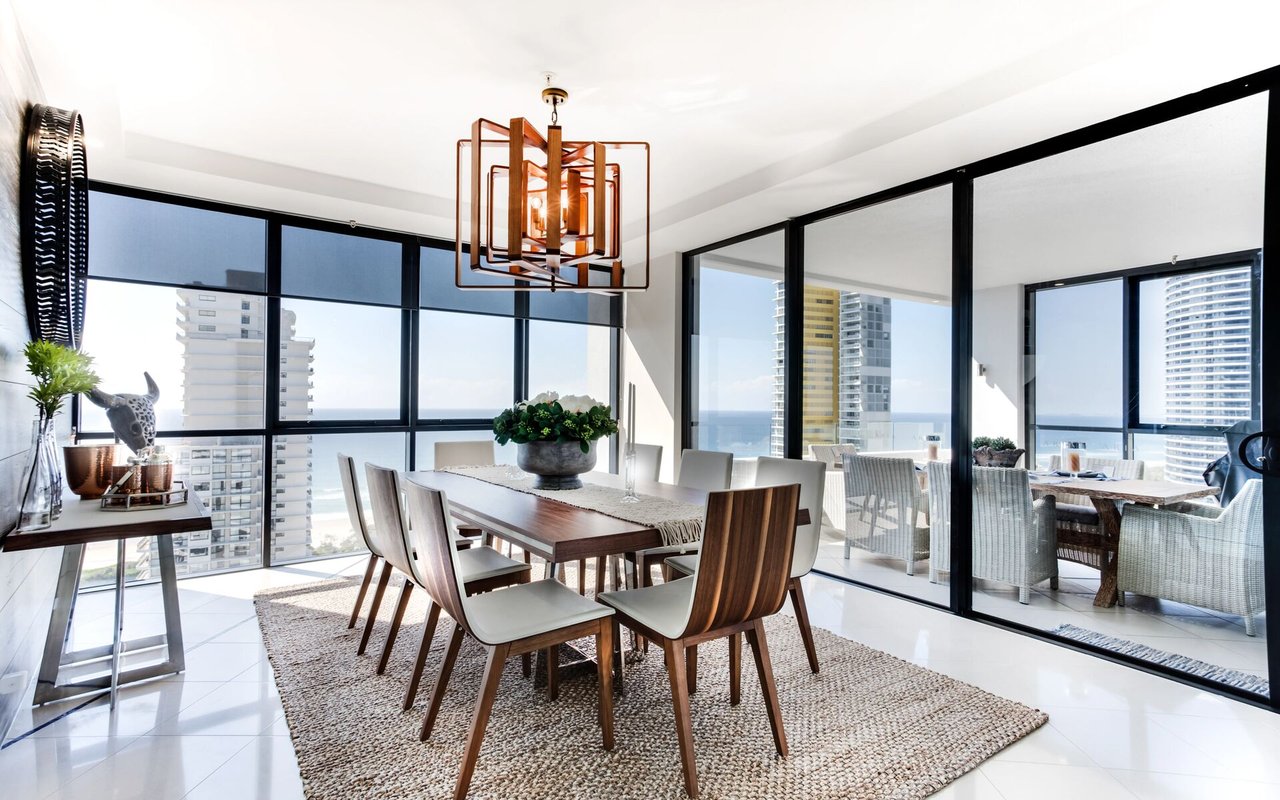
That design mindset helps explain the look many buyers now connect with luxury living in Dorado. Instead of heavy ornament or dense urban form, newer homes often favor clean lines, open plans, and a strong relationship between indoor and outdoor spaces.
Common Features of Contemporary Dorado Homes
Across several current communities, a consistent modern-coastal language appears. Community descriptions support a visual pattern that includes:
- Open-concept layouts
- Broad terraces and outdoor living areas
- Large glass openings or floor-to-ceiling glass walls
- Light-filled interiors
- Views toward the ocean, fairways, lakes, mountains, or landscaped grounds
- Strong connection between architecture and tropical surroundings
These features are seen in communities such as La Cala, The Isles, and Dorado Beach East. La Cala is described as an ultra-luxury beachfront estate collection with contemporary designs, floor-to-ceiling glass walls, and infinity-edge pools. The Isles emphasizes contemporary tropical living, open spaces, elegant finishes, lush landscaping, and open-concept layouts, while Dorado Beach East offers custom single-family homes within a gated community with mountain or fairway views.
Contemporary Villas Beyond the Resort Core
This architectural language is not limited to one resort area. Sabanera Dorado also reflects a similar contemporary-villa approach in several of its residences. Its Villa del Lago and Casona del Lago homes are described as one-level residences with cathedral ceilings, open and light-filled spaces, and modern updates.
The newer Isla Norte phase adds another layer by noting that its architecture was inspired by successful Dorado Beach East residences. For buyers, that is an important clue that Dorado’s modern aesthetic extends beyond the best-known resort communities and influences the wider market.
Mediterranean-Inspired Homes
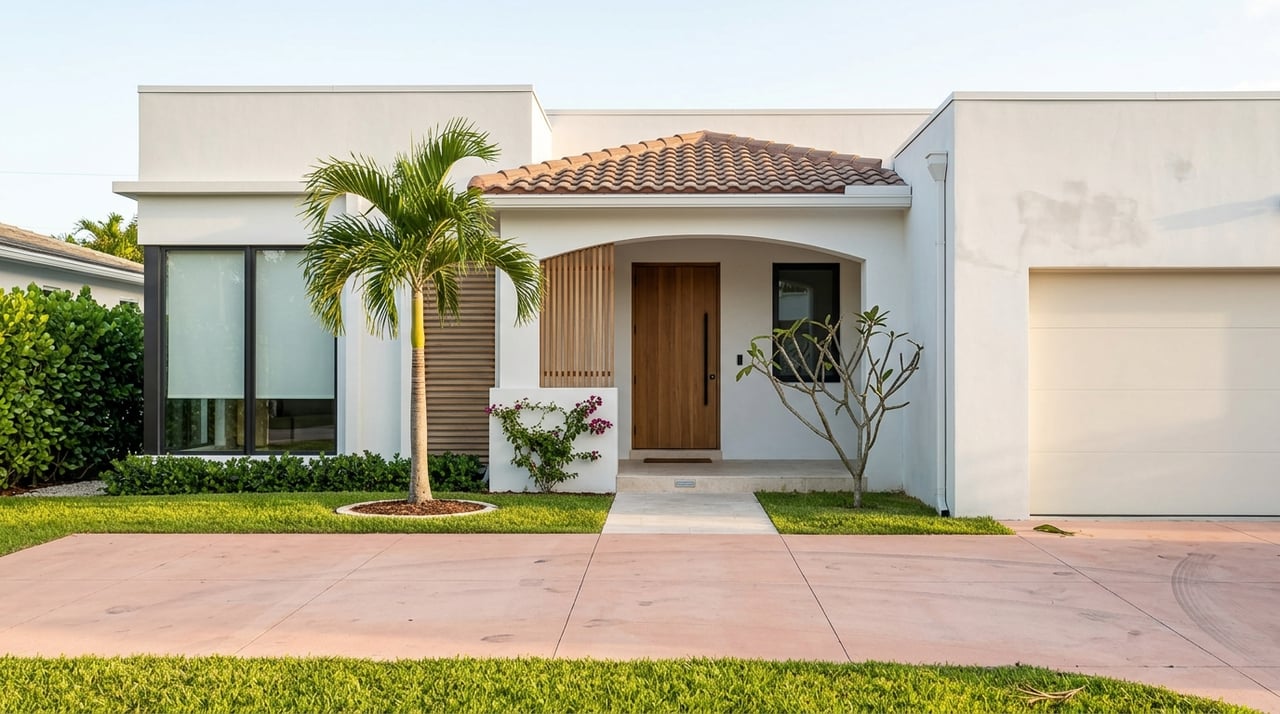
Not every upscale Dorado home reads as fully minimalist or ultra-modern. Plantation Residences offers another style expression with what its official brochure calls classic Mediterranean inspired architecture. That gives buyers a useful middle ground between historic character and sleek contemporary design.
The listed features include high ceilings, covered driveways, private garages, impact-resistant windows and doors, and generator support. These details help show why many buyers experience Dorado as a blend of coastal aesthetics and practical, resilience-minded design. If you like warmth and traditional elegance with updated function, this style may stand out to you.
Low-Rise Resort Condos
Dorado’s condo market has its own architectural identity. Rather than feeling like a dense urban high-rise environment, the condo segment is more closely tied to low-rise, resort-oriented residential living. That distinction matters if you want convenience without giving up outdoor space or a more relaxed setting.
West Point is described as a low-rise condo-residence collection within the resort core that combines estate-home scale with condo convenience. The Ritz-Carlton Reserve residences are presented as condo-style homes with outdoor space, terraces, open-air showers, and penthouse options. Hyatt Residence Club Dorado, Hacienda del Mar adds another example with 82 residential-style retreats featuring private balconies, fully equipped kitchens, and direct beach access.
Why Condo Style Feels Different Here
If you are comparing Dorado condos to urban condominiums elsewhere, the experience may feel very different. In Dorado, condo-style ownership often comes with residential proportions, outdoor living, and a more hospitality-driven setting. For buyers seeking a simpler ownership profile, that can be a strong advantage.
Based on the documented formats and community descriptions, condo-style residences in Dorado generally fit people who want lower-maintenance, lock-and-leave living. That can appeal to second-home buyers, seasonal residents, or anyone who values convenience alongside lifestyle design.
How Style Can Guide Your Search
When you look at Dorado through an architectural lens, the market starts to feel easier to navigate. Different styles often connect to different living priorities, whether that means historic character, modern openness, or a simpler ownership model.
A quick way to frame your search is this:
- Historic pueblo and Spanish-influenced areas may appeal if you value town-center context, older materials, and architectural character.
- Eclectic historic homes may suit you if you appreciate distinctive design and do not mind the responsibilities that can come with older construction.
- Contemporary tropical villas may fit if indoor-outdoor living, clean lines, and privacy are high on your list.
- Mediterranean-inspired homes may work well if you want a classic exterior feel with modern features.
- Low-rise resort condos may make sense if you want convenience, outdoor space, and a more lock-and-leave ownership style.
Because Dorado includes both a historic core and newer resort communities, style is not just a visual preference here. It can shape your day-to-day experience, maintenance expectations, and the kind of setting that feels most natural for you.
If you want help narrowing down which part of Dorado best matches your goals, Ashley Arce offers a high-touch, strategic approach to buying, selling, and investing across Puerto Rico.
FAQs
What architectural styles are common in Dorado homes?
- Dorado homes commonly reflect historic Spanish-influenced architecture, eclectic older styles such as Spanish Revival, Art Deco, Italian-style, and vernacular wood homes, plus contemporary tropical villas, Mediterranean-inspired residences, and low-rise resort condos.
What does the historic area of Dorado look like?
- Dorado’s historic area is centered around a traditional pueblo layout with a main square, a traditional Catholic church, and historic buildings such as Casa del Rey that feature elements like brick-and-wood construction, patios, balconies, ironwork, and exposed wood details.
What defines modern homes in Dorado?
- Modern homes in Dorado are often defined by open layouts, large glass openings, broad terraces, indoor-outdoor living, light-filled interiors, and views of the ocean, golf course, lakes, mountains, or landscaped grounds.
Are Dorado condos usually high-rise buildings?
- No. Based on the documented communities in the research, Dorado’s condo stock is more closely associated with low-rise, resort-style residences rather than conventional urban high-rise condominiums.
How is Dorado Beach architecture different from pueblo architecture?
- Dorado Beach architecture is generally more contemporary, low-rise, and landscape-focused, while pueblo architecture is tied to Dorado’s traditional town-center form and historic Spanish-influenced civic fabric.
How can architectural style affect your Dorado home search?
- Architectural style can influence the setting you prefer, the type of layout you want, and the level of upkeep or convenience that fits your lifestyle, so it is often a useful way to narrow your search in Dorado.